Loading Mumbai96...
Travel · Mumbai Guide
Mumbai Travel Guide 2026
India's Maximum City — everything you need to know before you visit, curated by Mumbaikars. From the Gateway of India to Dharavi, from Marine Drive to Sanjay Gandhi National Park.
2.1Cr+
Population
603
Sq Km Area
7.8M
Annual Tourists
Top Attractions
Must-Visit Places in Mumbai
From UNESCO World Heritage sites to bustling street markets — the essential Mumbai sightseeing list for every visitor.
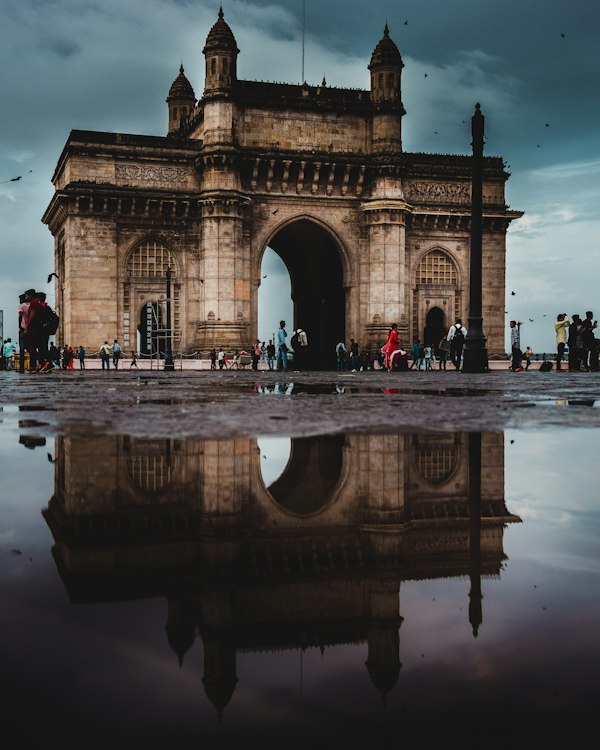
Iconic Landmark
Gateway of India
Mumbai's most iconic monument — a 26m arch built in 1924 on the Apollo Bunder waterfront. Best visited at sunrise or during the evening ferry departures to Elephanta Island.
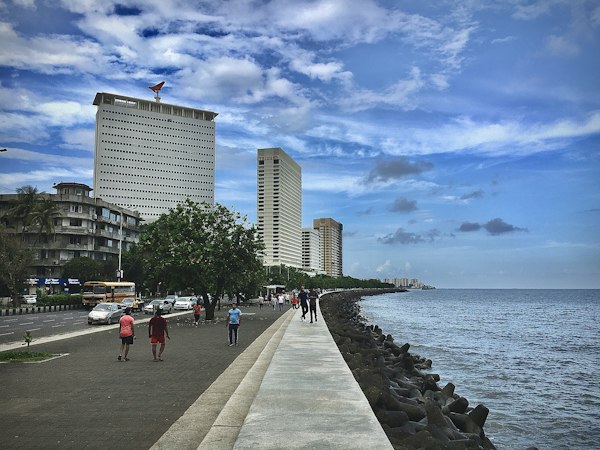
Promenade
Marine Drive — Queen's Necklace
A 3.6 km promenade along the Arabian Sea — breathtaking at sunset and electric at night when its arc of street lights earns the city's iconic nickname.

UNESCO Heritage
CSMT — Chhatrapati Shivaji Terminus
A UNESCO World Heritage Site and one of the most magnificent Victorian Gothic structures in Asia — and it's still a fully functional railway station serving millions daily.
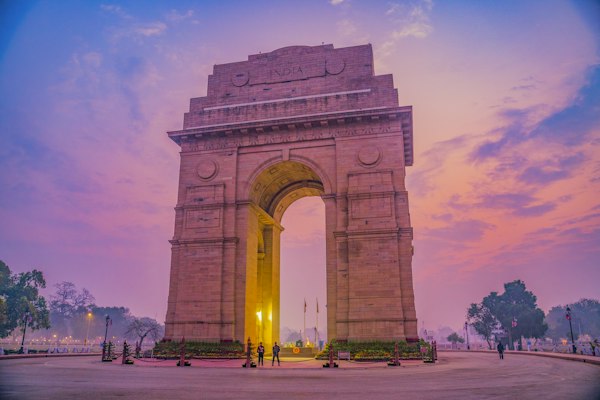
Heritage Island
Elephanta Caves
A 1-hour ferry from the Gateway of India leads to this UNESCO World Heritage island of ancient rock-cut temples dedicated to Lord Shiva, dating back to 5th–8th century CE.

Cultural Experience
Dharavi — Asia's Most Enterprising Community
More than a slum — Dharavi is a thriving micro-economy with thousands of small businesses, a vibrant creative community, and one of Mumbai's most misunderstood stories.
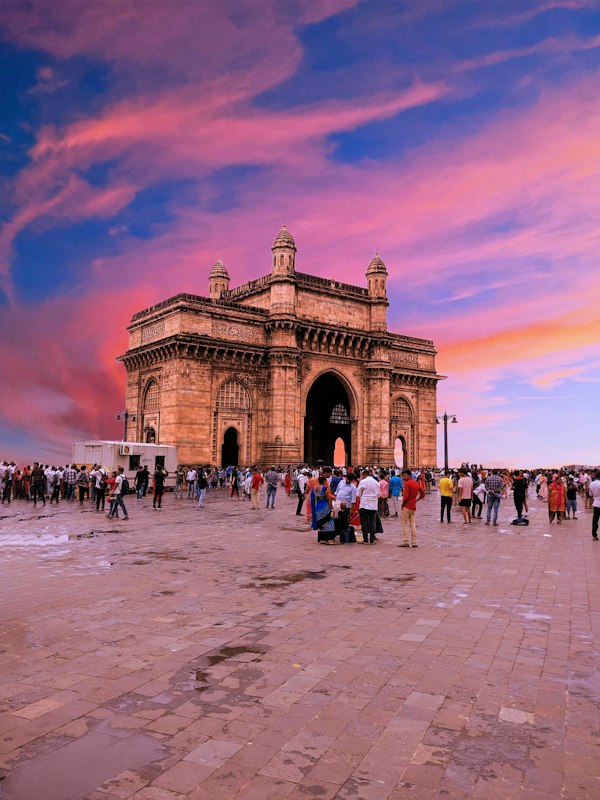
Beach
Juhu Beach
Mumbai's most famous beach — a 6 km stretch where Mumbaikars unwind, where street food is legendary, and where sunsets over the Arabian Sea are absolutely unmissable.
 Local Train
Getting Around
Mumbai Local Train — The Lifeline of the City
The Mumbai local train is the single fastest way to travel across the city — carrying over 7 million passengers daily across the Western, Central and Harbour lines. For any traveller, learning to use the local train is the key to experiencing Mumbai like a true Mumbaikar.
Buy a day pass or single-journey ticket at any station counter or on the UTS (Unreserved Ticketing System) mobile app. Avoid travelling in the general compartment during peak hours (8–10 AM and 5–8 PM) — use ladies' compartments if applicable and consider first-class tickets for slightly more comfort.
🚆 Mumbai Local Train — Quick Reference
- Western Line — Churchgate to Dahisar/Virar (suburbs)
- Central Line — CSMT to Thane/Karjat/Kasara
- Harbour Line — CSMT to Panvel (including airport area)
- Metro Lines 1, 2A, 7, 2B — modern, AC comfort
- Day Pass available — unlimited rides in one day
- UTS mobile app — book tickets without queuing
 Neighbourhoods
Know the City
Mumbai's Distinct Neighbourhoods — Where to Base Yourself
Mumbai is best understood as a city of distinct villages stitched together by the local train network. Each neighbourhood has its own character, cuisine, culture and price point. Choosing where to stay will fundamentally shape your Mumbai experience.
South Mumbai (Colaba, Fort, Marine Drive) is closest to the heritage sites and is ideal for first-time visitors. The Western Suburbs (Bandra, Juhu, Andheri) offer better value, better nightlife and the authentic suburban Mumbai experience. Central Mumbai (Powai, Ghatkopar) gives access to IT corridors and is favoured by business travellers.
→ Mumbai Neighbourhoods by Traveller Type
- First-time tourist → South Mumbai (Colaba, Marine Drive)
- Foodie → Bandra West, Mohammed Ali Road, Matunga
- Budget traveller → Andheri, Goregaon, Dadar
- Business traveller → BKC, Powai, Lower Parel
- Nature lover → Borivali (Sanjay Gandhi National Park)
Mumbai Food Guide
What to Eat in Mumbai
Mumbai's food culture is one of the most diverse in India — a city where Maharashtrian street food, Gujarati thalis, Parsi cafés and global cuisines all co-exist magnificently.
Vada PavPav BhajiBhel PuriBombay SandwichKeema PavMisal PavIrani ChaiDabba GoshtParsi DhansakBombay Duck
Vada Pav — Mumbai's Burger
A spiced potato patty in a soft bun with chutneys — cheap, filling and available on every street corner. Start your Mumbai food journey here.
Pav Bhaji
A rich vegetable mash served with butter-toasted bread rolls — a Mumbai street food classic that originated in the city's textile mills in the 1850s.
Irani Chai & Bun Maska
Mumbai's Parsi-influenced café culture — thick, strong Irani tea with soft buttered buns, best enjoyed at century-old Irani cafés in Colaba and Fort.
Mohammed Ali Road Biryani & Kebabs
The ultimate Mumbai food pilgrimage, especially during Ramzan — Nalli Nihari, Seekh Kebabs, Biryani and Malpua from family-run restaurants that have operated for generations.
Misal Pav
A fiery sprouted moth bean curry topped with farsan (crunchy fried mix), onions and tomatoes — Maharashtra's breakfast dish that Mumbai has elevated to an art form.
Bhel Puri & Sev Puri
Mumbai's beloved street chaats — puffed rice, sev, tamarind chutney and vegetables tossed together at beachside stalls. Best at Chowpatty and Juhu Beach.
See Mumbai
Mumbai Travel — Watch Before You Visit
Get a feel for Mumbai's incredible energy, diversity and scale with these curated travel videos.
Best Time to Visit
When to Visit Mumbai
Mumbai has weather for every preference — plan your visit around these seasonal snapshots.
Best Season
October – February
Cool, dry and perfect — 22–30°C. Peak season, highest hotel prices. Ideal for all sightseeing and outdoor activities.
Hot & Humid
March – May
Pre-monsoon heat — 30–38°C, very humid. Not ideal for outdoor exploration but great for indoor attractions and fewer crowds.
Monsoon Season
June – September
Heavy rainfall — 25–32°C. City transforms dramatically. Some roads flood; waterfalls near Mumbai are spectacular. Unique experience for adventurers.
Post-Monsoon
October
Post-monsoon transition — fresh, green and vibrant. Diwali and Navratri season. Some of the city's best cultural events happen now.
Frequently Asked Questions
Mumbai Travel — Common Questions
What is the best time to visit Mumbai?
October to February is the best time — weather is pleasant (22–30°C), dry and perfect for outdoor sightseeing. March to May is hot and humid. The monsoon (June–September) is dramatic and beautiful but can disrupt transport and outdoor plans.
How do I travel around Mumbai as a tourist?
Use the local train for long cross-city journeys (fastest and cheapest), Ola/Uber for door-to-door comfort, Metro for select corridors, and auto-rickshaws in the suburbs. Get a Mumbai travel card for seamless transit. The UTS app makes buying train tickets easy without queuing.
Is Mumbai safe for solo travel?
Mumbai is one of India's safest cities for solo travel, including solo women travellers. Exercise standard precautions, use registered transport after dark and keep your phone charged. South Mumbai (Colaba, Marine Drive) and Bandra are particularly safe and tourist-friendly areas.
How many days do I need for Mumbai?
3 full days cover the highlights — Gateway of India, Marine Drive, Dharavi, Elephanta Caves, Bandra and Juhu Beach. For a deeper experience including day trips, food tours and neighbourhoods, 5–7 days is ideal.
What is Mumbai famous for that I must experience?
Don't miss: riding the local train during non-peak hours, eating Vada Pav from a street stall, watching sunset at Marine Drive, exploring the street art at Bandra, having chai at an Irani café, and visiting the Gateway of India at dusk with a harbour view.
Mumbai Travel Guide — Everything You Need to Know in 2026
Mumbai is not just India's financial capital — it is the country's dream city, its most cosmopolitan metropolis and one of the most complex, contradictory and captivating urban environments anywhere in the world. To visit Mumbai is to experience India at full volume: the noise, the scale, the kindness of strangers, the incredible food and the unshakeable sense that this city is always, always moving forward.
How to approach Mumbai as a traveller
The biggest mistake first-time visitors make is treating Mumbai like a traditional heritage tourism destination. Yes, CSMT and the Gateway of India are magnificent — but Mumbai's real experience is in its everyday life: the local trains packed at rush hour, the Dabbawalas' legendary 6-sigma delivery system, the Ganesh Chaturthi processions, the pavement kitchens, the sea breeze on Marine Drive at midnight.
Getting the most from Mumbai96
Mumbai96 is built by Mumbaikars for Mumbaikars — and for visitors who want to experience the city the way locals do. Use our neighbourhood guides to understand each area before you visit, our service directories to find verified restaurants and activities, and our community sections for real-time local insights.
Explore Mumbai's 76+ Neighbourhoods on Mumbai96
Hyperlocal guides to every corner of Mumbai — built by Mumbaikars, for Mumbaikars (and visitors who want the insider view).
🗺️ Explore Mumbai on Mumbai96